PMDD Blog
Science-backed education, practical tools, and honest conversations for women navigating life with PMDD

Premenstrual Dysphoric Disorder is not just 'bad PMS.' It's a complex hormonal experience that can completely derail your life. And while medications and therapy can be helpful, choosing the right foods for PMDD (and avoiding the ones that make symptoms worse) might be the most underestimated tool in your PMDD management toolkit.

We need to talk about PMDD. That darkness that makes 3-8% of us feel like we're losing our minds for up to two weeks every month. If you're nodding along, you know exactly what I'm talking about. The mood storms that consume your days, the fatigue that coffee can't touch, and the physical symptoms that make you want to curl up in a blanket fort until your period arrives.

Ever had those moments where you’re suddenly sobbing during a dog food commercial, convinced your partner is planning to leave you because they didn’t text back within 5 minutes, or found yourself rage-cleaning your entire apartment at 2 AM? Some PMDD Symptoms are a wild ride.

Seasonal Affective Disorder (SAD) and Premenstrual Dysphoric Disorder (PMDD) can create a challenging combination during darker months. Research shows that 46% of individuals with SAD also experience PMDD, making this overlap significant for many. Let’s explore how seasonal depression and PMDD interact and what you can do to manage your PMDD symptoms effectively.
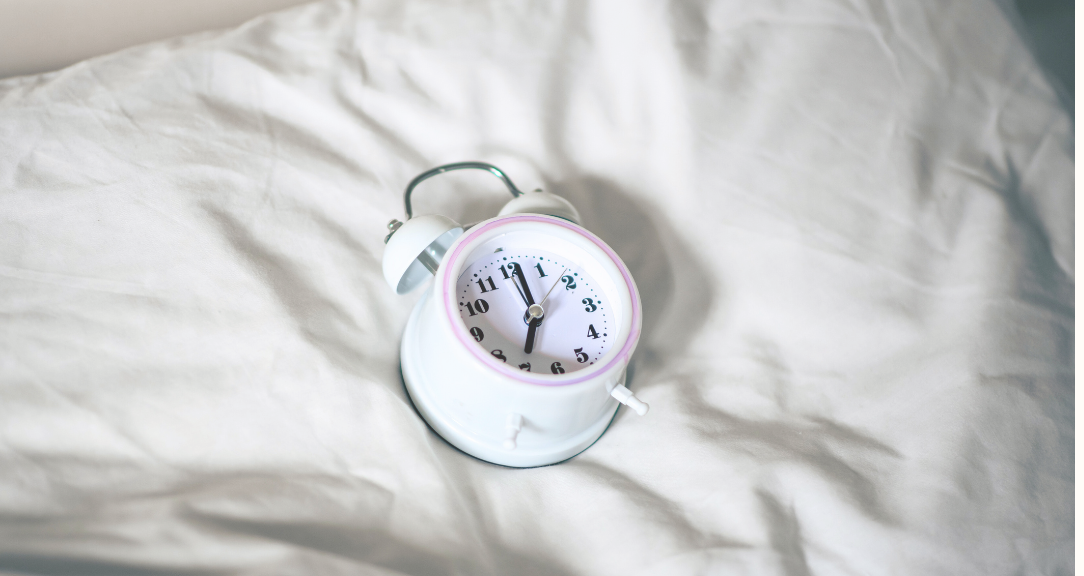
Most people don't realize how deeply intertwined the circadian rhythm and menstrual cycle truly are. When one is disrupted, the other often follows, and for those of us with PMDD, this connection can become a vicious cycle that amplifies symptoms like insomnia, fatigue, and mood swings.

A PMDD symptom tracker is a simple yet powerful tool that helps you identify patterns in your mood, physical symptoms, and energy throughout your cycle. Unlike general journaling, it offers structured insights that make symptom mapping more precise and actionable… But why is it so important for us suffering from PMDD symptoms?
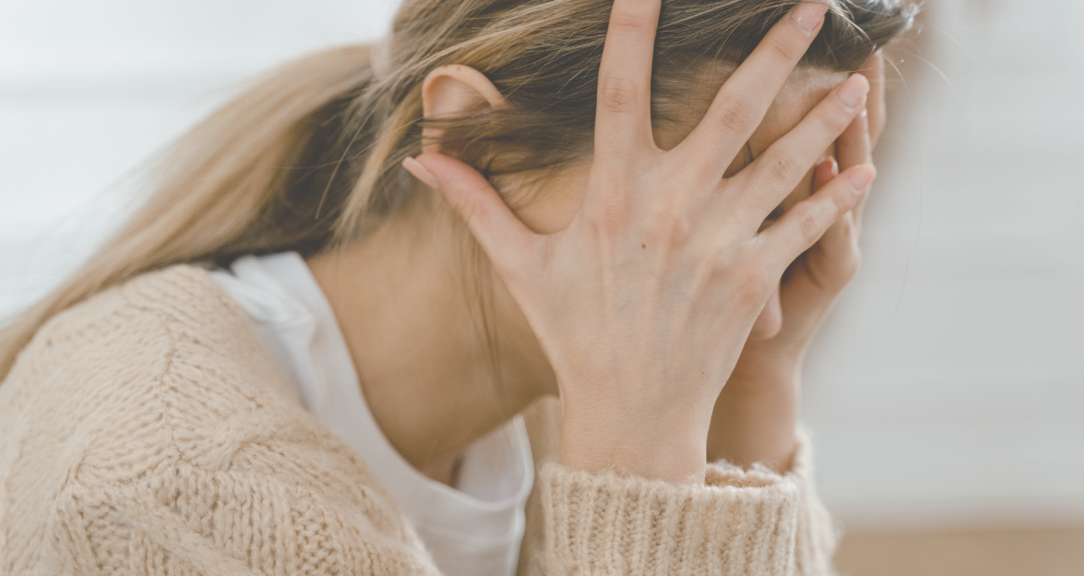
Ever notice how your negative thoughts or inner critic get particularly loud during certain times of your cycle? Those persistent negative thoughts aren’t just in your head – they’re a real phenomenon called Automatic Negative Thoughts (ANTs), and they have a fascinating relationship with PMDD.

PMDD and sleep have a two-way relationship – they can both help or harm each other. PMDD can disrupt your sleep with problems like insomnia, waking up frequently at night, and feeling unrested even after sleeping. 1 Poor sleep can hurt your focus and make you drowsy, affecting your performance at work or school.2 Disrupted sleep can intensify PMDD symptoms like fatigue, irritability, and mood swings, creating a cycle that’s hard to break.

“It’s just bad PMS,” they said, trying to be helpful. I smiled politely, but inside I felt that familiar ache of being misunderstood. Like many others with PMDD symptoms, I’ve heard this well-meaning but oversimplified comparison countless times. If you’ve ever searched for ‘PMDD vs PMS’ or been told your symptoms are ‘just PMS,’ you’re not alone.